
The falconer

François de Grossouvre, a specialist with more than twenty years of experience handling birds of prey, turned his passion for falconry into a one-of-a-kind job in the country. Since 2022 he has patrolled Chapelco Airport's airspace through the controlled flight of birds of prey specially trained for airport work — replacing invasive methods with a solution inspired by nature itself.

"Thanks to the falcons' daily attack and marking flights, we have significantly reduced the risk of bird strikes."

François de Grossouvre, falconer
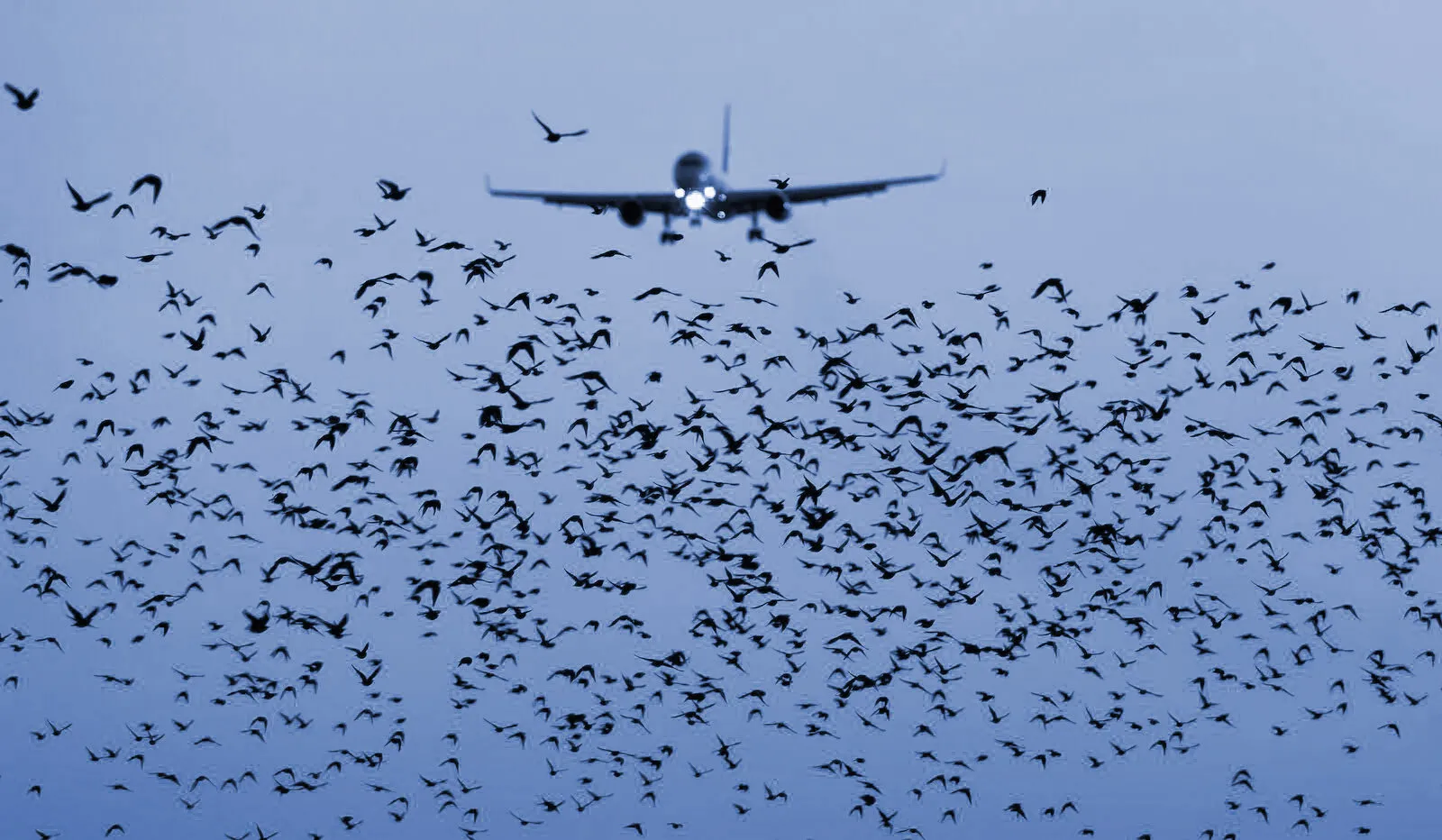
A flock crossing the approach path is a real risk of collision ("bird strike") — the falconry program prevents it naturally, with no chemicals and no noise.

The team

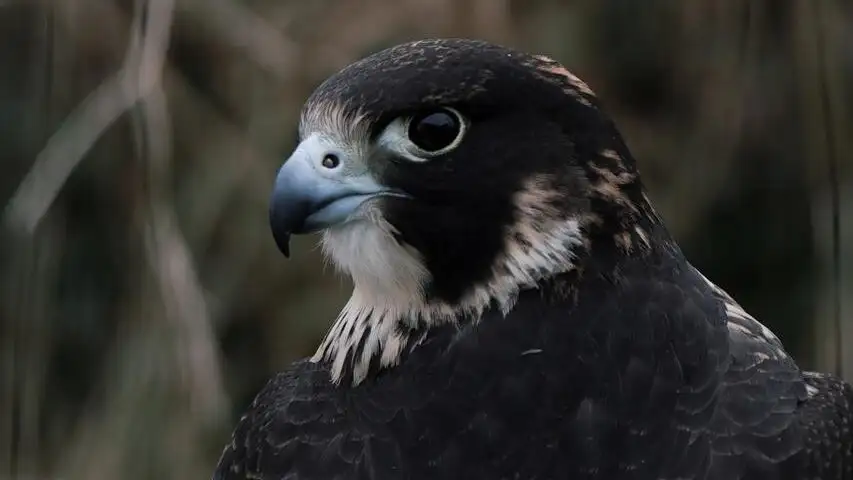
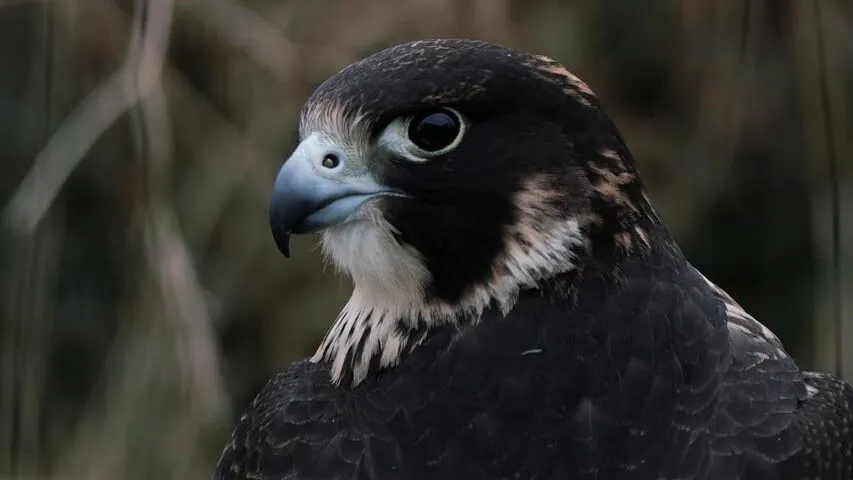
Peregrine Falcon

Peregrine Falcon Falco peregrinus cassini

Enables high-altitude patrol flights and controlled strikes, a particularly effective tool for certain species. The fastest animal on the planet: exceeds 300 km/h in its diving attacks, and can climb more than 800 meters to watch over the runway. It is key to bird control at Chapelco because it attacks not only its natural prey but also every bird of prey in the area — natural behavior for driving off competitors or potential threats from its territory.
Aplomado Falcon

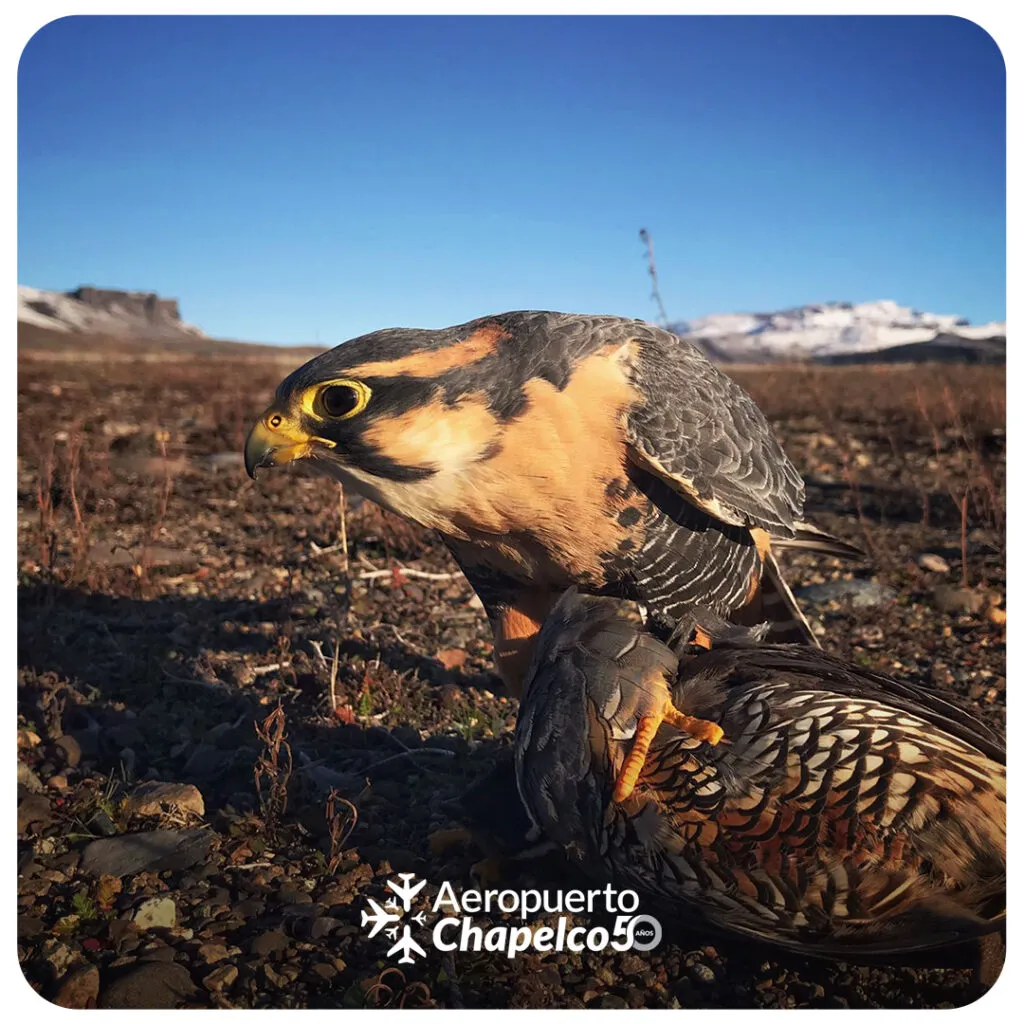
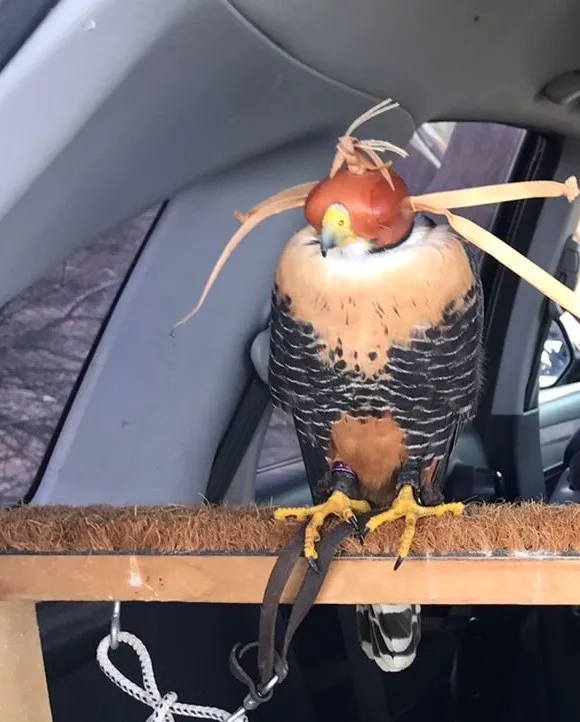
Aplomado Falcon Falco femoralis

Common throughout Patagonia. In the wild it hunts in pairs and is capable of long, acrobatic chases — its light build and long tail let it maneuver with agility through scrubland.

American Kestrel

American Kestrel Falco sparverius

The smallest falcon in the Americas. Agile and highly adaptable, used especially to disperse smaller species near the operational area.

How it works

High-altitude patrol flight

The birds of prey patrol the operational area at altitude, putting pressure on the birds using the airport's airspace.

Controlled strikes

When concentrations of birds are detected, controlled and planned strikes are carried out, adapted to the aerodrome's weather and operational conditions. The falcons can fly in any weather except heavy snow or rain: at the airport, marking flights and direct attacks by the team's peregrine falcons have been recorded in wind gusts of more than 75 km/h.

Equipment

The service relies on specific falconry equipment, telemetry systems, communications, binoculars and mobility resources within the grounds.

Monitoring and records

Systematic patrols of the movement area, wildlife observation, and daily records documenting wildlife presence, interventions and how the activity evolves.

Species kept under control

More than 100 bird species have been recorded at the airport, and over 15 of them pose a high or very high risk to aircraft. Among the main ones:

  • Burrowing Parrot Cyanoliseus patagonus
  • Pigeons 2 species
  • Speckled Teal Anas flavirostris
  • Yellow-billed Pintail Anas georgica
  • Chiloé Wigeon Mareca sibilatrix
  • Ibis
  • Southern Lapwing Vanellus chilensis
  • Austral Parakeet Enicognathus ferrugineus
  • Southern Caracara Caracara plancus
  • Vulture
  • Andean Condor Vultur gryphus

The peregrine falcon, by the numbers

300+km/h diving speed
800m patrol altitude
2km strike range

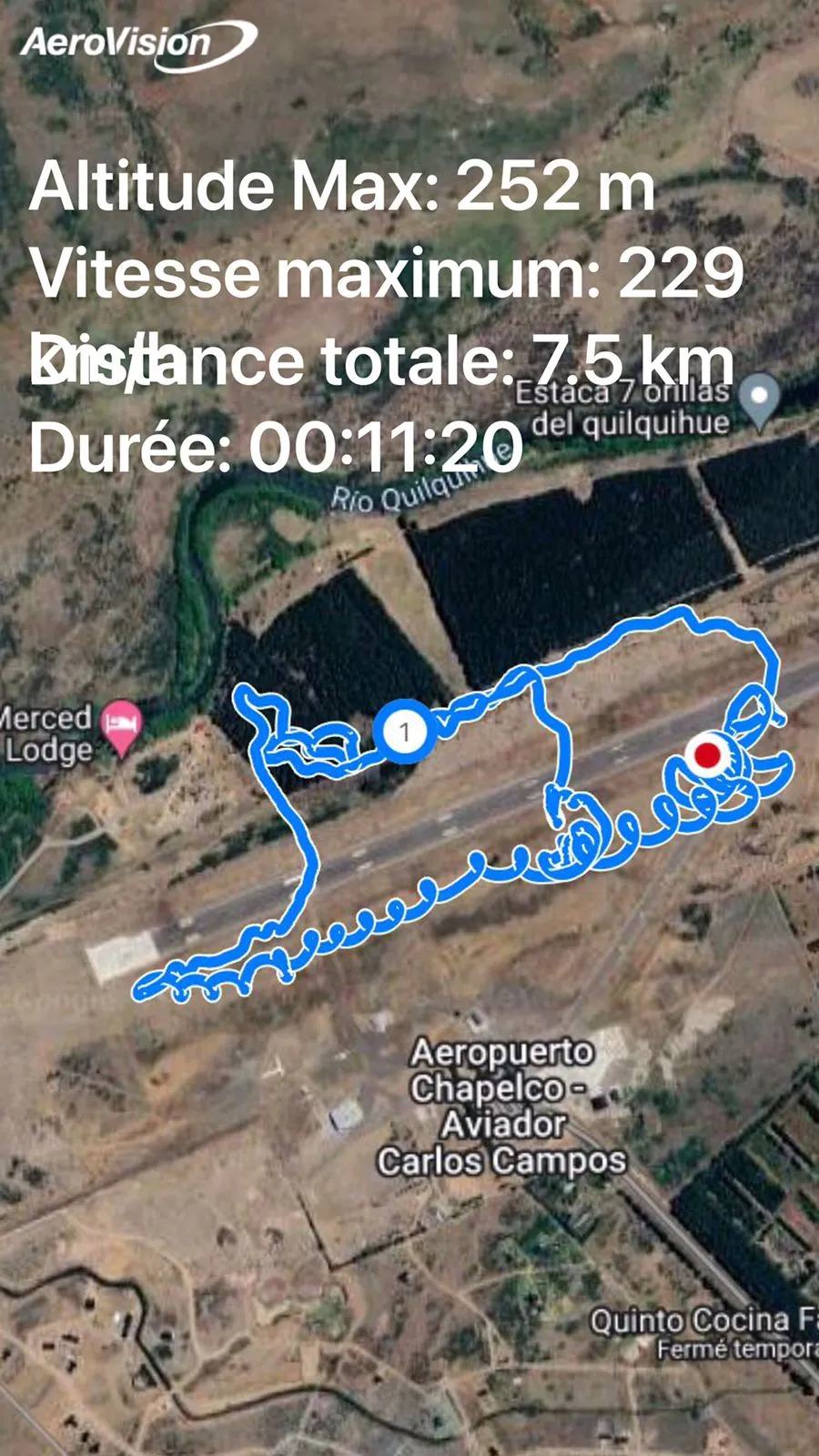
A marking flight, tracked by GPS

Screenshot of a satellite map of Chapelco Airport showing, in blue, the track of a peregrine falcon marking flight over the runway and its surroundings.

Example of a peregrine falcon marking flight at Chapelco Airport, recorded with a GPS transmitter.

altitude
252m
top speed
229km/h
covered in 11 minutes
7.5km
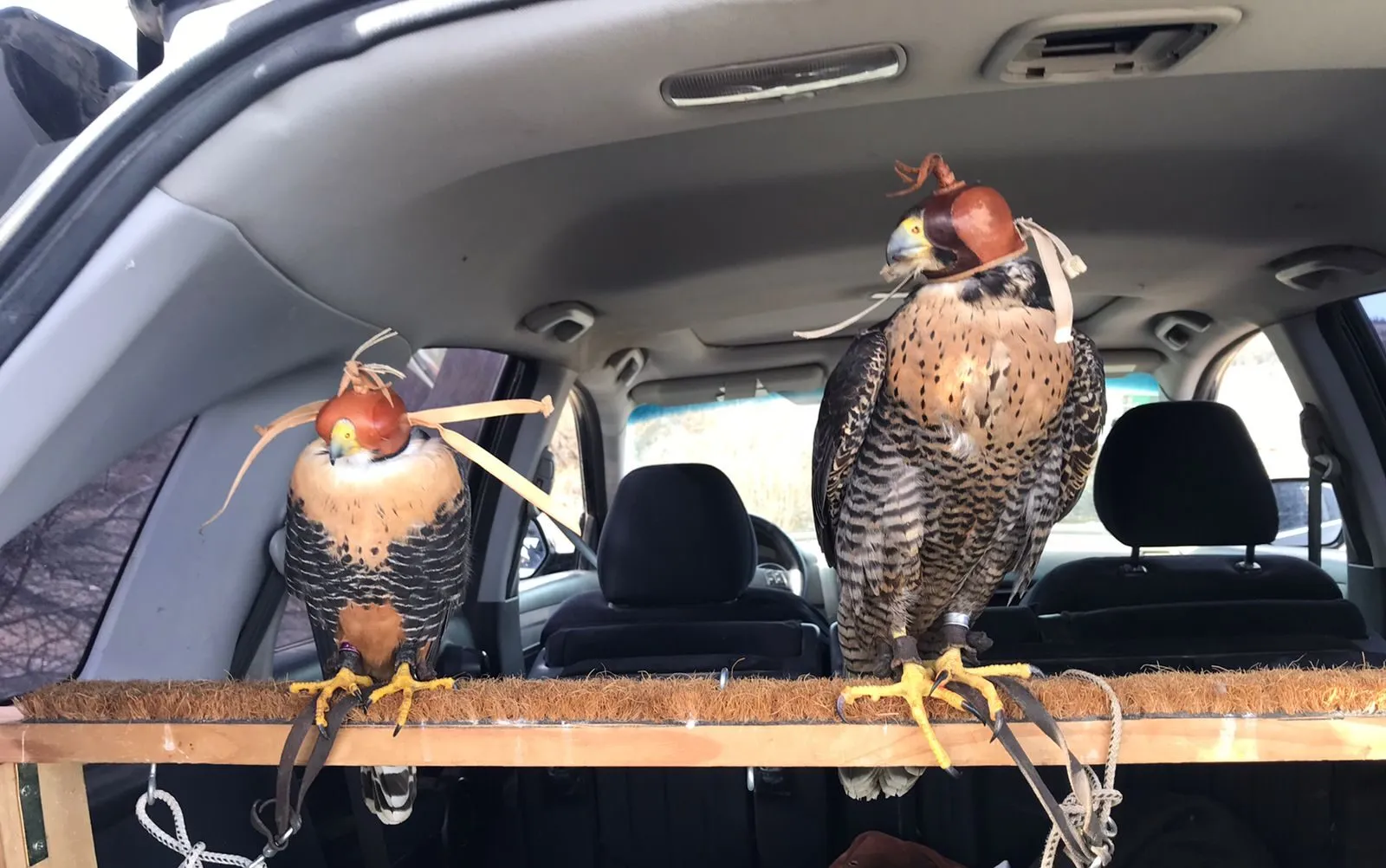
Before each patrol, the birds travel hooded — it keeps them calm until they reach the runway.

A tool built into wildlife management

Birds do not get used to attacks from their natural predators. The goal of falconry is to keep daily, constant pressure on a well-defined area — the airport — through dynamic, aggressive flights, so that the birds of the area come to see the airport as a place too dangerous to cross or settle in.

The goal is not to eliminate wildlife, but to change how it uses the airport's airspace and reduce risk situations — a selective, dynamic method adapted to Chapelco's natural surroundings, combining falconry, bird behavior and operational safety procedures to keep conditions safer for aircraft, passengers and local wildlife alike.

On video

Falconry: Control Aviar Aeropuerto Chapelco Patagonia Argentina

In the press